
Saying English words right is a super important step to speaking it fluently. When people understand you easily, you feel more confident talking too! This 3-to-4 week plan will help you tackle those tricky sounds and become a pronunciation pro!
Week 1: Building the Basics
- English Pronunciation Fun: Learning English sounds can be tough because they might be different from your own language. This can sometimes lead to saying words wrong, which can make it hard for others to understand you. Practicing English pronunciation is like learning a new skill, and this plan will help you master it!
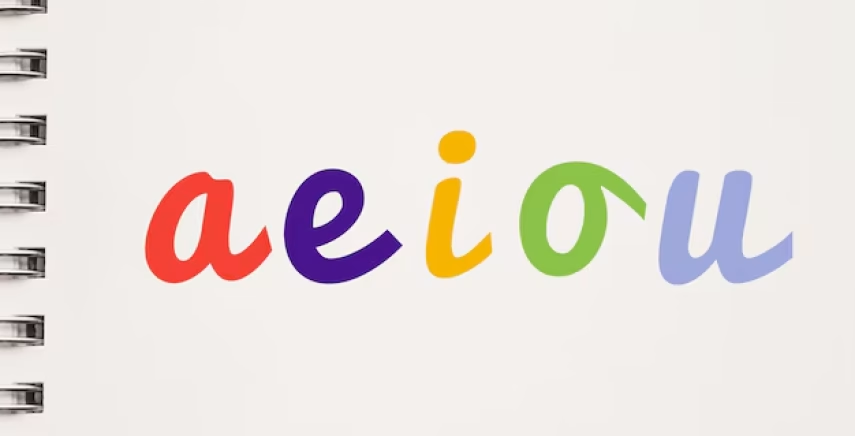
- The Sounds of Speech: Have you ever heard of “phonetics”? It’s a fancy word for learning about the different sounds used in speaking. This week, we’ll focus on these sounds, both vowels (like “a” and “e”) and consonants (like “b” and “t”). We’ll also learn how to make them with our mouths and tongues.
- Vowel Power: English vowels can be tricky because there are short ones (“a” in “cat”), long ones (“a” in “cake”), and even special sounds called diphthongs (like “ow” in “cow”). This week, practice each vowel sound and pay attention to how your mouth moves when you say them.
- Consonant Crew: Consonants can be breathy or not breathy (voiced or voiceless, like “b” vs “p”). We’ll also learn how consonant sounds can group together, like in “trip” or “flag.” Practicing these groups will help you speak English more clearly.
- Stress and Up & Down: How you say a word and the way your voice goes up and down (stress and intonation) can change its meaning. This week, we’ll learn the rules for stressing words and sentences, and practice using different voice tones to show questions or excitement.
Week 2: Practice Makes Perfect!
- Listen and Learn: One of the best ways to improve your English pronunciation is to listen to native speakers. Try to copy how they form sounds and how fast or slow they talk.
- Tongue Twisters Time!: Tongue twisters are fun and can help you speak English sounds more clearly. Start with easy ones like “She sells seashells by the seashore” and move on to harder ones as you get better.
- Shadowing: This cool trick involves listening to a native speaker and saying the same thing at the same time. It helps with pronunciation, intonation, and speaking smoothly. Start with short sentences and try longer ones as you get better.
- Pronunciation Apps: There are many apps and websites that can help you with English pronunciation. Some popular ones are ELSA Speak, Forvo, and Google Pronunciation. Use them every day to practice!
- Record Yourself: Speaking into your phone and listening back is a great way to find areas where you can improve. Listen to your recordings and focus on fixing any mistakes you hear.
Week 3: Advanced Adventures!
- Connecting Words: When we speak naturally, sounds between words often get linked together. This week, we’ll practice connecting consonant and vowel sounds to make your speech sound smoother and more natural.
- Minimal Pairs Match-Up: Minimal pairs are words that sound almost the same but have different meanings, like “ship” and “sheep.” Practicing these pairs will help you hear the tiny differences between sounds.
- Sentence Rhythm & Flow: Just like music has a rhythm, so does natural English speech. This week, we’ll focus on how the stress patterns change within sentences. Reading aloud is a great way to practice this.
- Fluency Fast Track: Fluency drills like speed reading or timed speaking can help you get comfortable speaking English quickly and clearly. Practice these drills regularly to speak English more smoothly.
- Get Feedback: Having a native speaker or teacher listen to you and point out your mistakes can be a big help. Also, try to listen for your own common mistakes and work on fixing them yourself.
Week 4: Putting It All Together!
- Daily Pronunciation Power Up: Set aside some time each day to do different pronunciation exercises. The more you practice, the better you’ll become!
- Conversation Champions: Talk to native speakers whenever you get the chance. Conversation exchange partners or conversation clubs are great places to practice speaking English.
- Pronunciation Playtime!: Make learning fun by using games and activities. There are many online resources and apps with pronunciation games to keep things interesting.
- Movie Magic & Music Mania: Watching English movies and TV shows or listening to podcasts and songs can
Remember, improving your English pronunciation takes time and effort. But with this 30-day plan and consistent practice, you’ll be speaking English with confidence in no time!