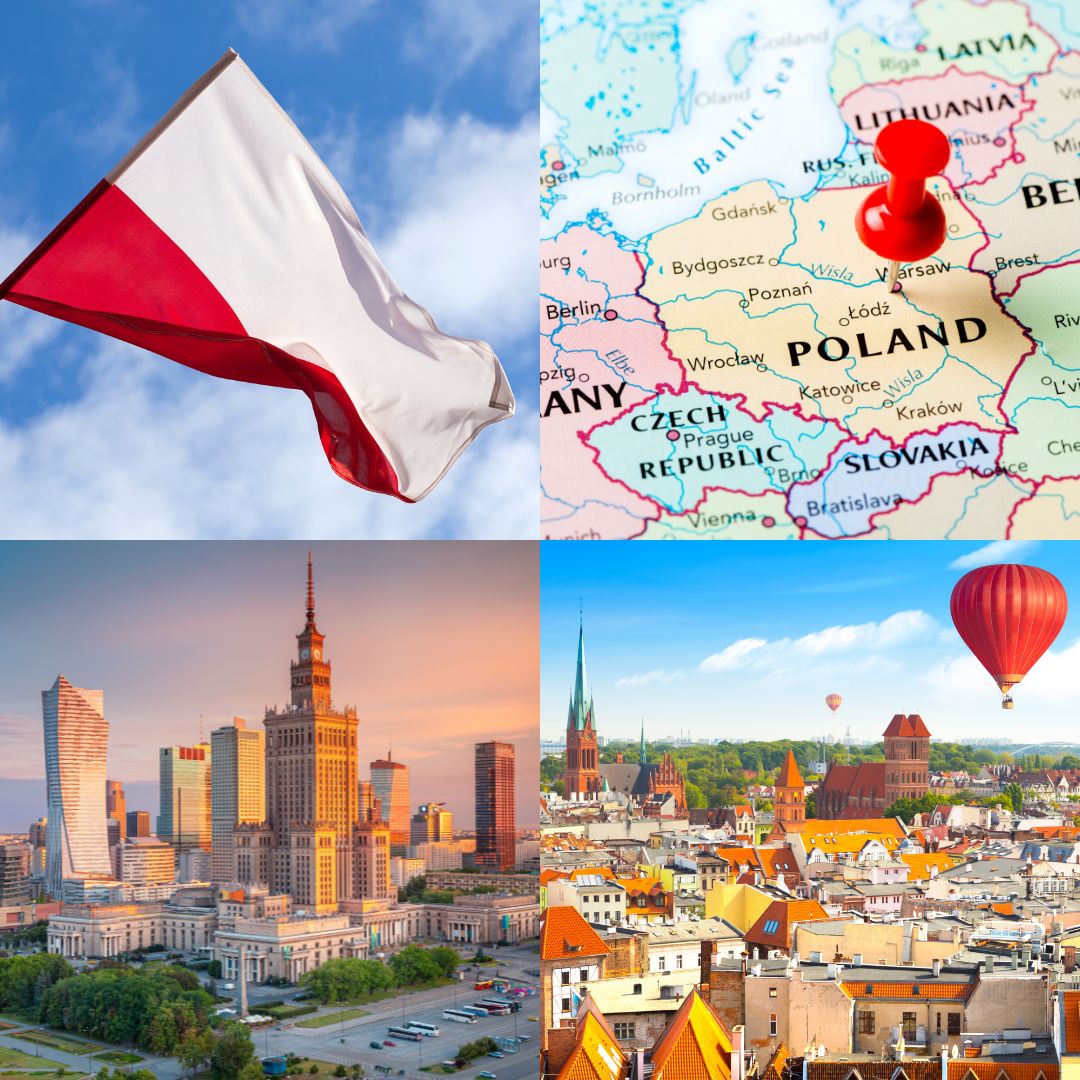

Understanding the Structural Differences- Polish versus English: Articles, Grammar, and Linguistic History
Languages are more than just words—they reflect history, culture, and ways of thinking. For Polish speakers learning English (or vice versa), one of the biggest challenges lies not in vocabulary, but in structure. The Polish versus English comparison reveals key contrasts in how each language builds meaning. English and Polish come from two very different linguistic families, and this shows in their use of grammar, sentence structure, and even the use of simple words like “the” and “a.”
In this blog post, we’ll explore the structural differences between Polish versus English—including the role of articles in English (and their absence in Polish), similarities English shares with other languages like Russian and French, and a brief dive into the histories of both English and Polish.
We’ll even throw in a little Polish versus English reading example at the end to show what English might sound like if spoken like Polish.
Polish versus English: A Structural Comparison
1. Use of Articles (“a”, “an”, “the”)
English is an analytic language, which means word order and helper words (like articles) carry meaning. Polish, on the other hand, is a synthetic, highly inflected language—meaning it uses word endings to show grammatical roles, and it doesn’t require helper words like articles.
In English:
-
“A cat sat on the roof.”
-
“A” introduces something new and general.
-
“The” refers to something specific.
-
In Polish:
-
“Kot siedział na dachu.”
-
There is no “a” or “the”. The listener relies on context or additional words to determine specificity.
-
This often causes Polish speakers to omit articles when speaking English:
-
❌ “Cat sat on roof.”
-
✅ “A cat sat on the roof.”
2. Case System
Polish uses 7 grammatical cases, which change the endings of nouns, pronouns, and adjectives to show their role in the sentence (subject, object, direction, etc.). English has mostly lost this system and relies heavily on word order. Let’s look at examples of Polish versus English word order.
English:
-
“John gave the book to Mary.”
(Word order shows who is doing what.)
Polish:
-
“Jan dał książkę Marii.”
-
“książka” (book) changes to “książkę” (accusative case).
-
“Maria” changes to “Marii” (dative case).
-
This means Polish can often switch word order more freely:
-
“Marii dał książkę Jan.” – still means “John gave the book to Mary.”
3. Verb Tenses and Aspect
English has 12 tenses (e.g. present perfect, past continuous) to express time and aspect. Polish uses fewer tenses but expresses aspect (whether an action is completed or ongoing) through verb pairs.
English:
-
“I have been working.” (ongoing)
-
“I worked.” (completed)
Polish:
-
“Pracowałem.” – simple past (imperfective)
-
“Popracowałem.” – completed action (perfective)
This leads Polish learners to sometimes underuse or confuse English continuous or perfect tenses.
What Languages Use Articles Like English?
While Polish doesn’t use articles, many Indo-European languages do—though not all in the same way.
Languages with Articles:
-
French: le, la, les, un, une
(e.g. Le chat est sur le toit – The cat is on the roof) -
German: der, die, das, ein, eine
-
Spanish: el, la, un, una
-
English: the, a, an
Languages Without Articles:
-
Polish
-
Russian (e.g. “Кошка сидит на крыше” – The cat sits on the roof)
-
Czech
-
Hungarian
Interestingly, Russian and Polish, though both Slavic languages, do not use articles—so native speakers of Russian also struggle with English articles for similar reasons.
A Brief History of the Polish versus English Languages
Polish: A West Slavic Language
Polish is a member of the West Slavic branch of the Indo-European family. It developed from the tribal dialects spoken by the Polans and other tribes in the early Middle Ages. The first known written sentence in Polish dates to 1270, though Latin dominated education and religion for centuries.
Key historical influences:
-
Latin (through the Church)
-
German (due to trade and migration)
-
French and Italian (during the Renaissance and Enlightenment)
English: A Germanic Language with a Complex Past
English began as a West Germanic language spoken by the Anglo-Saxons in what is now England. It was heavily influenced by:
-
Old Norse (due to Viking invasions)
-
Latin (from the Church and scholars)
-
French (after the Norman conquest in 1066)
Modern English is a blend of Germanic structure with a vast Romance (Latin-based) vocabulary.
Did One Influence the Other?
While English and Polish have both borrowed Latin and French terms, there has been little direct influence of one on the other due to geography and political history. However, in modern times, globalization and migration have led to more English terms appearing in Polish, especially in technology and business (e.g. komputer, email, manager).
Common Mistakes Polish Speakers Make in English
-
Omitting articles
-
“I have cat.” → should be “I have a cat.”
-
-
Word order
-
“This I saw yesterday.” → should be “I saw this yesterday.”
-
-
Using present simple instead of continuous
-
“I go to shop now.” → should be “I am going to the shop now.”
-
-
Gender confusion
Polish assigns genders to all nouns, while English mostly doesn’t—except in pronouns. So “she,” “he,” and “it” can cause confusion.
What English Might Sound Like in Polish Word Order
Here’s a short paragraph in natural English, followed by a version mimicking Polish-style English.
Standard English:
Yesterday, I went to the market to buy a loaf of bread. On the way, I saw a man walking his dog. It was a sunny day, and I felt happy.
Polish-English (literal translation of Polish structure and lack of articles):
Yesterday went I to market buy bread. On way saw I man with dog. Was sunny day and felt I happy.
This doesn’t sound natural to a native speaker, but it captures how structure in Polish often functions without the small helper words that English relies on.
Final Thoughts
Understanding the structural differences in Polish versus English goes beyond just vocabulary. It requires awareness of how articles work, how word order influences meaning, and how each language expresses time and intention. While Polish and English are both Indo-European languages, the Polish versus English contrast becomes clear when we look at how differently they’ve developed over the centuries.
For Polish speakers learning English, the key lies in mastering the use of “a,” “an,” and “the,” getting comfortable with word order, and practicing tenses. English speakers learning Polish must adjust to a rich case system and free word order. In both directions, Polish versus English highlights unique challenges—but with patience, both are achievable.
You may also be interested in 10 Tips on how to learn English for free
Check out this article for more Hooked on Phonetics: The Differences Between Polish & English
Tip for Learners
-
Practice reading short paragraphs and rewriting them without articles to see how essential they are in English.
-
Use visual cues (like drawings or props) when explaining tenses to Polish learners.
-
Pay special attention to collocations and expressions that do not translate directly.
Have you learned both English and Polish? Share your experience or biggest challenge in the comments below!